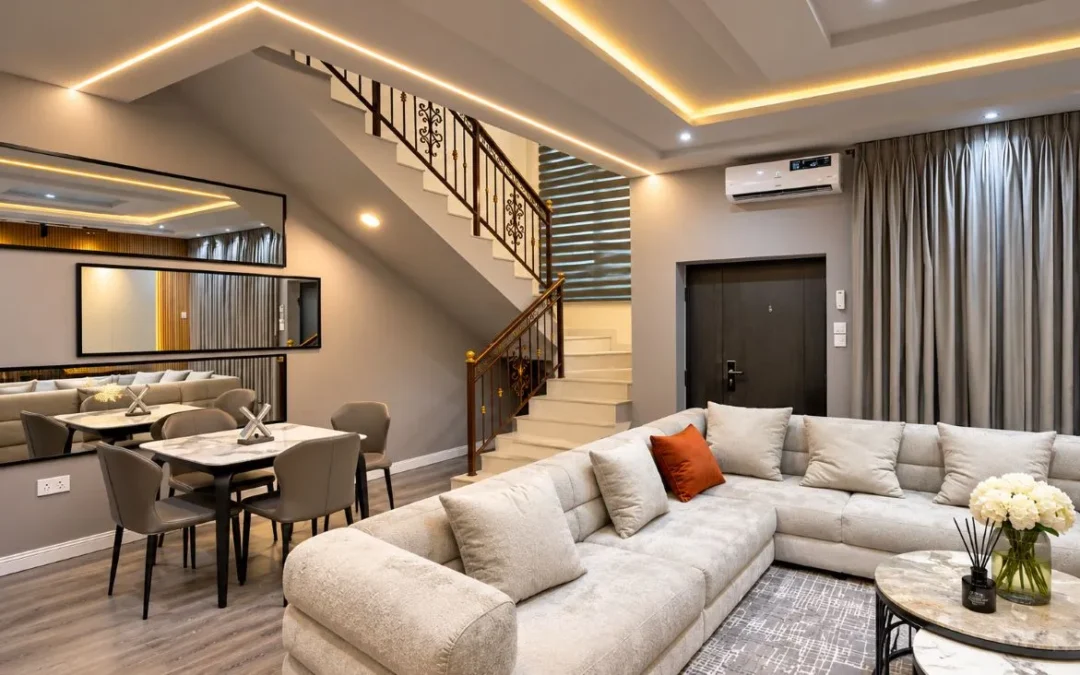
Most people walk into a home inspection looking at the wrong things first. The kitchen finish catches your eye. The light in the living room does something nice in the afternoon. You start imagining your furniture in the space before you’ve checked a single thing that actually matters.
That’s not a judgment, it’s normal. But a home inspection done properly goes beyond what you can see on the surface. It’s the difference between buying a property and buying a problem. Here’s what to actually pay attention to.
1. Structure
This is the one that can’t be negotiated around. If a property has structural issues, everything else becomes secondary, the finishes, the location, the price. A structurally compromised home is a financial liability that compounds over time.
What you’re looking at: the foundation, the walls, the roof, the framing. Most well-built properties won’t have issues here, but poor drainage, substandard construction practices, and settlement over time can all create problems that aren’t immediately visible. If anything looks off, uneven floors, cracks running diagonally across walls, doors that won’t close flush, take it seriously and get a structural engineer involved before you go further.
2. The Exterior
Before you step inside, the outside of the building is already telling you something. Peeling or bubbling paint isn’t just cosmetic, it’s a signal that either the surface wasn’t properly prepared or moisture is getting in somewhere it shouldn’t. Check the exterior walls for gaps, the roof lines for straightness, and any compound structures, fencing, gates, external fixtures, for their condition.
Also look up. Overhanging trees or structures near the roof are a maintenance issue waiting to happen. If branches are close enough to cause damage in heavy rain or wind, that’s worth flagging early.
3. Interior
Once you’re inside, resist the urge to evaluate purely on feel. Yes, the space should feel right, but there’s a checklist running underneath that feeling. Check room ventilation, the operation of every door and window, and the condition of walls, floors, and ceilings. Stains on ceilings mean water has been somewhere it shouldn’t. Fine hairline cracks across wall plaster, what builders call map cracking, suggest the plastering wasn’t applied correctly and can worsen over time.
Any unusual smell is worth investigating. Dampness, mould, or chemical odours in a closed space don’t disappear on their own.
4. Plumbing
Plumbing problems are particularly worth finding early because the ones you don’t catch tend to become expensive slowly and quietly. A leak behind a wall doesn’t announce itself, it damages the floor, creates rot, and eventually introduces mold before you’ve realised there was ever an issue.
Turn on multiple taps and test both cold and hot water pressure. Check around every fixture for signs of water damage. Look under sinks and around bathroom fittings. If the property has a borehole or septic tank, those need separate attention, they’re not covered in a standard walkthrough and they matter.
5. Electrical
This one requires discipline, because electrical issues aren’t always visible and the consequences of missing them are serious. Test every outlet and light fixture. Note anything that flickers, trips, or doesn’t respond as expected. Common problems, double-tapping on circuit breakers, undersized wiring, loose outlets, are the kind of things that look fine on a casual walk-through and create real hazards later.
If something in the electrical system gives you pause, bring in a licensed electrician. It’s not a step worth skipping.
6. Promised Amenities
This is the one that often gets overlooked until after the papers are signed. If a developer has promised amenities, a generator, parking arrangements, communal facilities, specific fittings, those promises need to be verified in person, not taken on faith. Walk through what was committed to and confirm it exists and works. If it doesn’t, that’s a negotiating point at minimum, and a reason to pause at most.
A home is only as complete as what was actually delivered, not what was described.
One more thing
Finding issues during an inspection isn’t a reason to walk away from a property, it’s the whole point of going. What you discover gives you a clearer picture of what you’re buying, what it’s actually worth, and what needs to be resolved before you commit. The inspection protects you.
If you’ve been thinking about Elysée, Taurean Max’s current development in Katampe Extension, Abuja, site inspections are open. Come and see what’s being built, how it’s being built, and ask the questions that matter before you make any decisions.