Ten years is a long time in any city, and Lagos moves faster than most.
Nobody can predict 2036 with certainty. But the forces that will shape it are already visible: a fast-growing population, a deep housing gap, new rail lines and bridges, and a changing economy. Look at them together and you can see where the city is heading, and where smart buyers are positioning themselves.
Here is a grounded look at Lagos over the next decade.
Where Lagos stands today
Lagos is already Africa’s largest city by many counts, and it keeps growing. Rapid population growth has outpaced the supply of homes.
| Lagos by the numbers | |
| Estimated population, 2025 | About 17.2 million |
| Projected population, 2035 | About 24.4 million (some estimates approach 30 million) |
| Housing deficit | About 3.4 million units |
| New homes needed each year | About 227,000 |
The pressure shows up in prices. One housing report found that rents in Lagos rose by more than 100% over four years, while household incomes stayed largely flat. Housing supply grew from about 1.42 million units in 2016 to about 2.58 million in 2025, but demand grew too, to roughly 4.62 million.
Population figures vary by source, so treat these as estimates. The direction, though, is consistent: more people, and not nearly enough quality homes.
The infrastructure that will reshape neighbourhoods
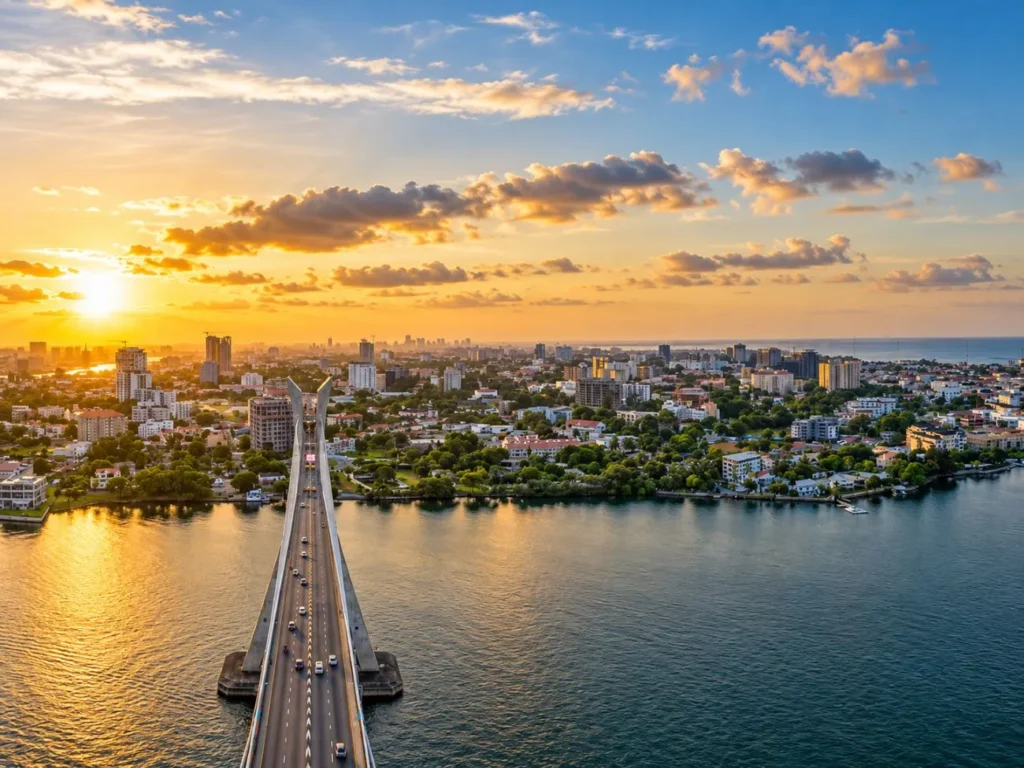
In cities, transport decides which areas rise. Lagos is in the middle of a major build-out.
- Rail. The Blue Line and Red Line are already running in part. The Red Line was commissioned in 2024 and has a target of 500,000 daily riders, with an extension into Ogun State planned. The 68-kilometre Green Line is designed to link Marina with the Lekki Free Trade Zone through Victoria Island, Lekki and Ajah. Federal approval of $3 billion for three rail projects, including the Green Line, came in April 2026, with construction expected to take two to three years once it starts.
- Bridges. The proposed Fourth Mainland Bridge, around 37 to 38 kilometres long and linking Lekki with Ikorodu, was reported as nearing final procurement in 2025.
- A new transport philosophy. The state’s mobility plan to 2050 prioritises rail, bus rapid transit and ferries over simply widening roads.
A word of caution: big projects in Lagos have a history of running late. The Fourth Mainland Bridge, for example, was promised a groundbreaking in 2024. Don’t buy on the promise of a project alone. Buy where the fundamentals already work and let new infrastructure be the bonus.
How demand is changing
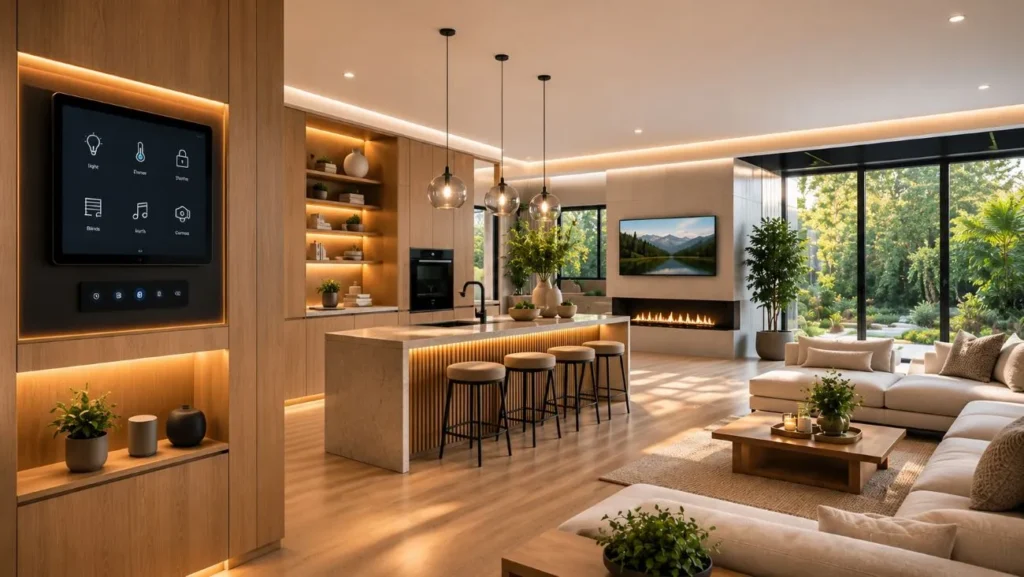
The homes Lagosians want in 2036 won’t look quite like the homes they wanted in 2016.
- Tech and digital jobs. Startups, fintechs and digital businesses are drawing professionals who want homes close to work, with reliable connectivity, security and space that handles both living and working.
- Connected and smart homes. Technology-enabled housing is gaining ground in Nigerian cities.
- Smaller, smarter units. With prices high and households formed by young professionals, one and two-bedroom apartments are drawing growing attention from investors.
- A bigger short-stay market. Lagos shortlet revenue reached about ₦281 billion in 2025, reflecting demand from business travellers, diaspora visitors and tourists.
Taken together, these trends favour well-located, well-built, flexible homes over oversized luxury units that few people can afford.
Where the mainland fits
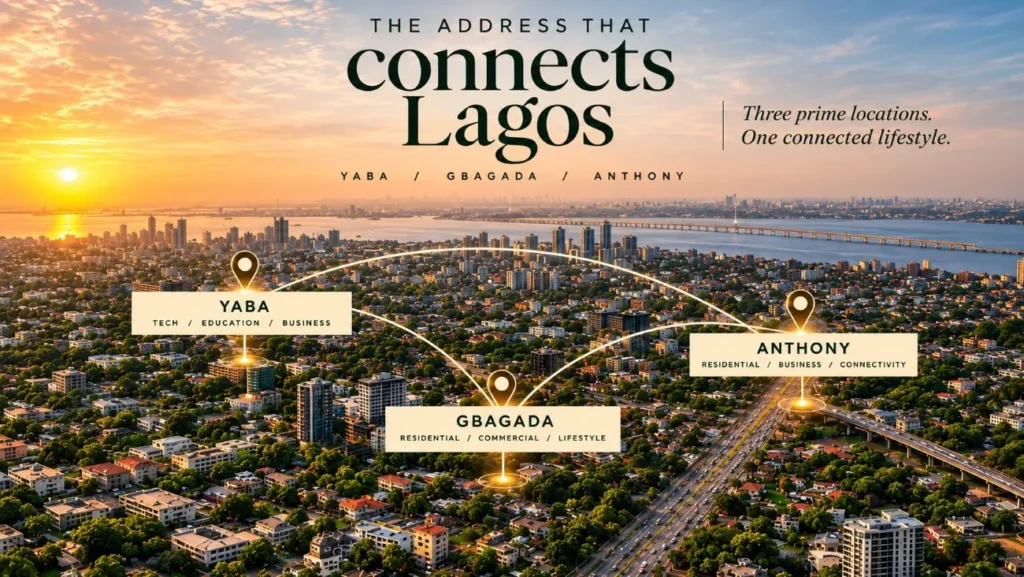
Much of the attention in Lagos goes to the Island, but the mainland is where much of the city’s daily life, and most of its people, already are.
Central mainland areas such as Anthony, close to Ikeja, Maryland, Ilupeju and Gbagada, have advantages that grow as the city gets busier:
- Access. They sit near business districts, schools and the airport corridor, so residents spend less time getting around.
- A lower entry point. Compared with Ikoyi and Lekki, central mainland addresses are generally priced lower, yet they draw strong demand.
- Limited central land. There is only so much well-located land left, and quality new builds are scarce.
- Better connections ahead. As rail and road links improve across the mainland, addresses that are already central stand to benefit.
Even so, check the specifics. Which station, road or route serves a given address matters more than a general map.
What this means for buyers today
If the next ten years bring more people, more infrastructure and a persistent housing gap, a few principles follow:
- Favour access. Homes near jobs, schools, the airport and improving transport links tend to stay in demand.
- Buy quality. In a market short of good homes, well-built, properly documented new builds stand out.
- Stay flexible. Units that can work as annual rentals or shortlets give you more ways to earn as demand shifts.
- Don’t wait for certainty. By the time every project is finished and every price has adjusted, the best entry points are usually gone.
Own your piece of Lagos’ next decade
TaureanMax builds apartments in Anthony, Lagos, a central mainland address close to Ikeja, Maryland, Ilupeju and Gbagada, with proper title, structure and finish. If you are thinking about where to place your money over the next ten years, we would love to talk.
Reach out to the TaureanMax team and let’s look at your options.
This post is general information, not financial or legal advice. Projections are estimates from public sources and may change. Speak to a qualified adviser before investing.