Every great address has a beginning. Before the skylines, before the express roads, before the diplomatic missions and the gated estates, Abuja was a decision. A bold, deliberate one.
A New Capital for a New Nation
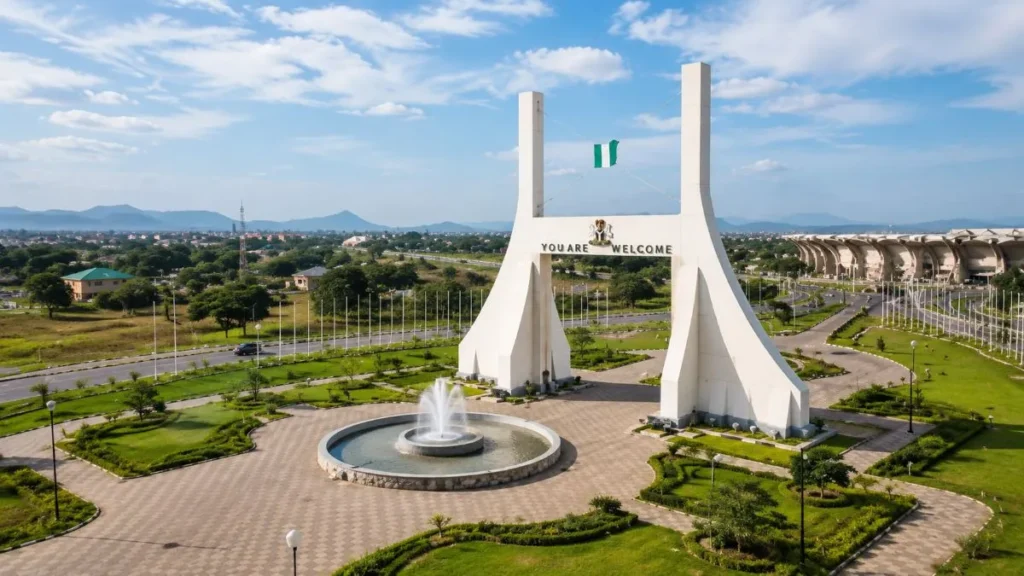
In 1976, Nigeria made a historic choice: the seat of government would move from Lagos, a city that had grown organically and chaotically over more than a century, to an entirely new capital built from scratch in the geographic heart of the country.
That new capital would become Abuja.
Unlike most cities in Nigeria, Abuja wasn’t left to grow by accident. It was designed, every district, every road, every green space, every future neighbourhood, mapped out on a master plan long before the first foundation was poured. Planners didn’t just draw a city centre; they anticipated a nation’s growth for decades to come.
A City Designed to Expand
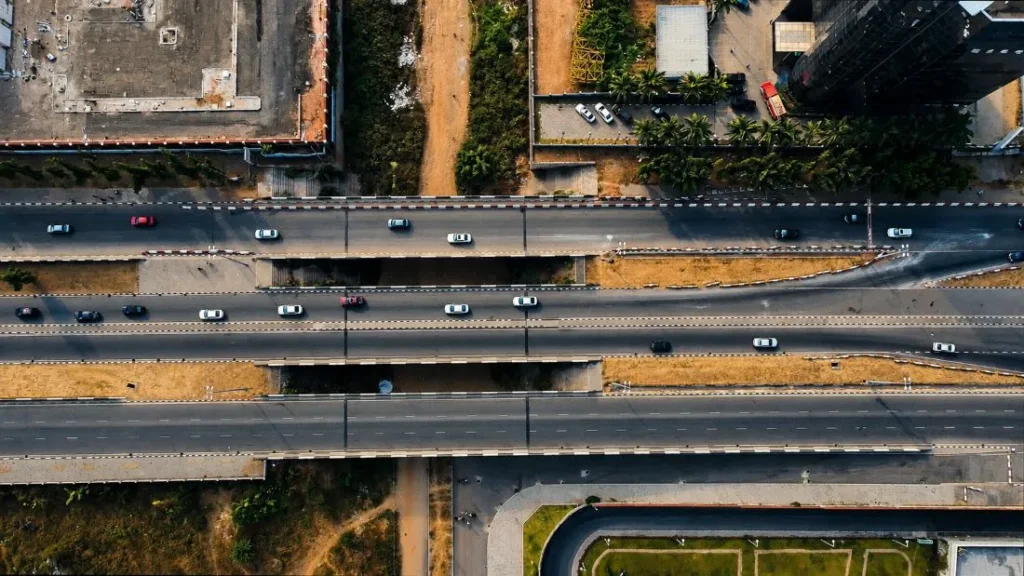
That’s what sets Abuja apart from cities that sprawl outward in response to pressure. Its master plan didn’t just account for the government quarters and the diplomatic core; it built in room for the city to grow outward, deliberately, in phases.
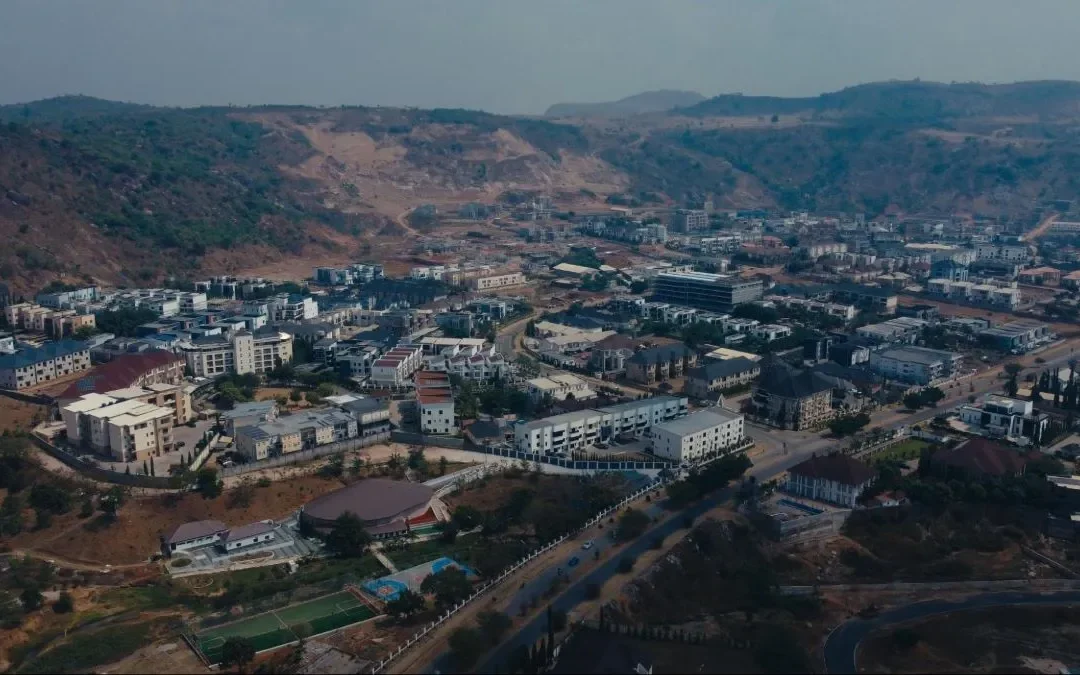
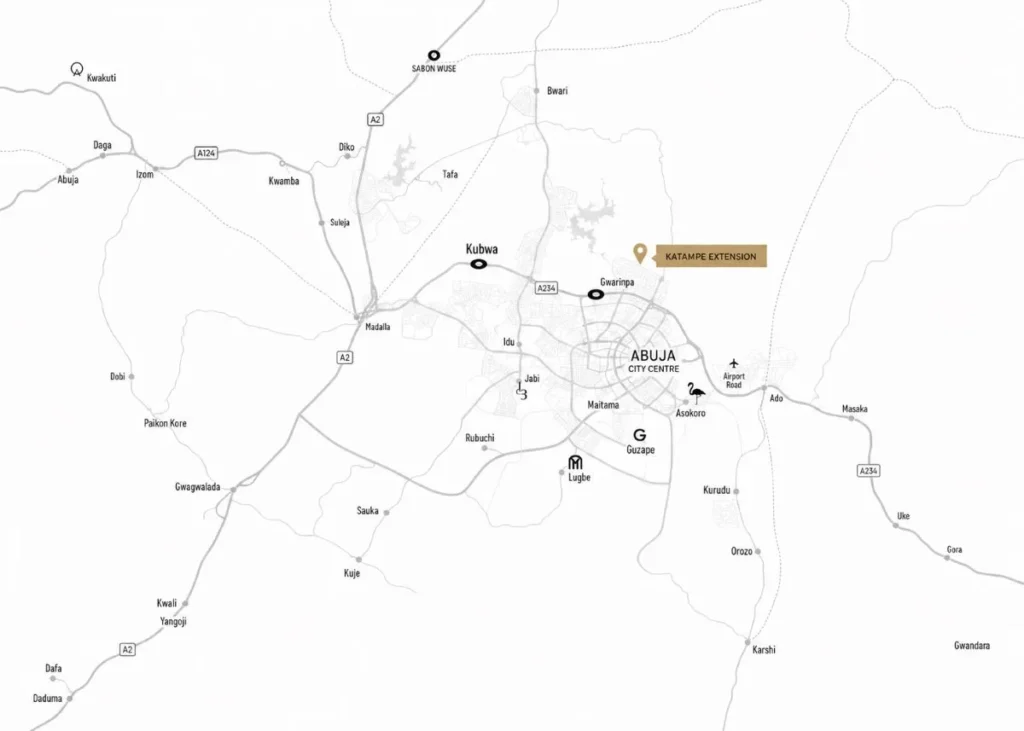
As Abuja’s population grew and its original districts filled up, the master plan’s next phase looked beyond the city centre. New communities would be needed, places with room to grow, places that could support the capital’s future without compromising the order the master plan was built to protect.
One of those places was Katampe Extension.
What Comes Next
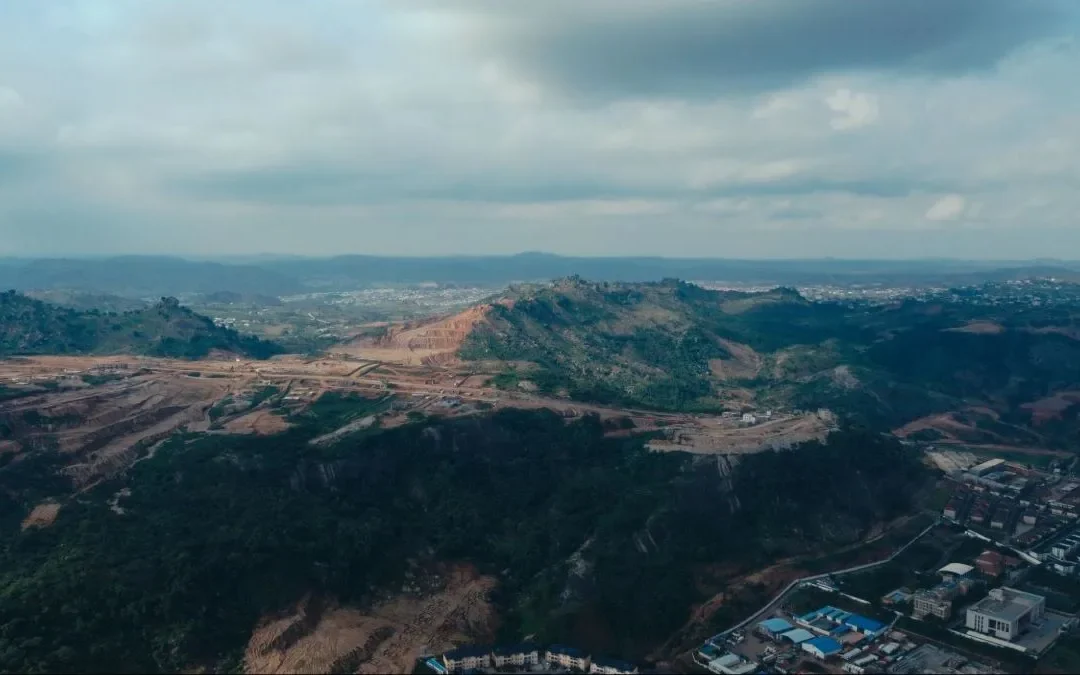
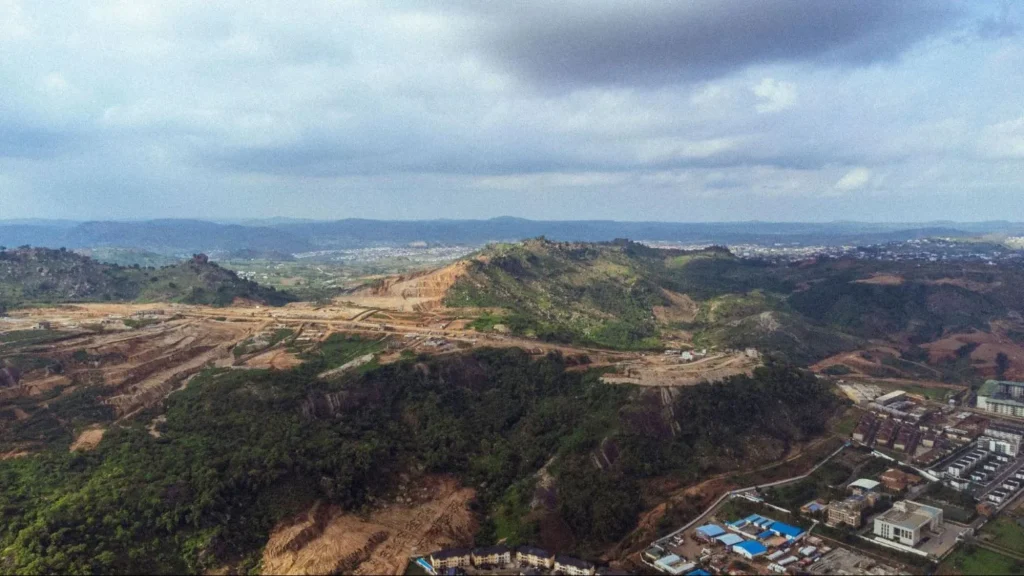
What made a rocky hillside on the edge of the city one of the most strategically significant locations in Abuja? That’s a story of elevation, access, and timing, and it’s the next chapter in understanding why this part of the city has become one of the capital’s most closely watched addresses.
This is Part 1 of a series tracing how Abuja grew from a bold vision into the capital it is today, and how that history shaped one particular hillside on its northern edge. Follow along for Episode 2: The Birth of Katampe Extension.